Friday, February 19, 2021

Chimacum Creek


 We are Chimacum Elementary 6th grade students and we test the water quality of Chimacum Creek every year to see how it’s doing. My claim is that Chimacum Creek is doing well.

My evidence comes from six water quality parameters. The dissolved oxygen in our creek has gone from mostly 7 mg/L to 8 mg/L. Salmon and trout need a minimum of 6 to 7 mg/L so they have enough D.O. Salmon and trout live in freshwater with slightly acidic pH, which is less than 7. Our creek has gone from 6.1 to 6.7, which is within that range. Salmon and trout have an optimal stream temperature of 54 degrees Fahrenheit and our creek has a range of 39 degrees F to 60 degrees F in the fall, early winter, and spring and that is well within the range needed by the fish. Salmon and trout returning to lay eggs need colder water, about 39 degrees, and the eggs need the water to be from 39 degrees to 44 degrees F and that is exactly what we’ve gotten in the winter. Our creek water is very clear, the turbidity ranges from 0 to 63.7 NTU and that is very clear water. 

From the conductivity we can tell that our creek is within the correct range of salts for freshwater so that is good. The final parameter we measured is the flow rate and from the flow rate we calculated the stream flow which was on average about 135 gal/s this year. We have had a few years of heavy water flow from lots of rain, as high as 3400 gal/s, and years of low flow, as low as 54 gal/s, and since the fish are returning year after as shown by our fish trapping fish counts, we can conclude that the flow has been within an acceptable range for our fish to survive.

I think this happened because our community and the farms in the Chimacum Valley are doing a great job of not polluting our creek. My data support my claim because all six parameters are well within the range of what our fish need and neither the pH nor the conductivity point to any pollution in our creek. 


This is Chimacum creek

Sunday, November 1, 2020

The Measles

What it is:

The measles is an infectious disease that is also highly contagious caused by a virus. Measles is one of the most contagious diseases! If one person has measles, 9 out of every 10 people that person comes into contact with will get measles! Measles is now under control thanks to the measles vaccine but it used to be a serious problem. Measles epidemics would cause outbreaks every two to three years and cause 2.6 million deaths per year! Measles infections among children used to be very common.

Measles is very contagious and is spread through the air when infected people cough, sneeze, or talk. When they cough, sneeze, or talk, people put droplets of aerosolized liquid infected with the virus into the air. The virus floats in the air and non-infected people can breathe it and become infected. The virus can also survive for hours on surfaces so even after the infected person has left an area, virus on surface can infect people who touch those surfaces and then touch their eyes, nose, or mouth. The measles virus incubates and replicates in the nose and throat of people and will become full measles within 10 to 14 days. Four days before the rash appears and four days with rash, infected people can spread the virus to others.

The symptoms of measles include:

  • the first sign is a high fever, usually 10 to 12 days after infection
  • rash made of large, flat blotches
  • dry cough
  • runny nose
  • sore throat
  • tiny white spots inside the mouth
  • mild pink eye
Sometimes measles can even lead to the following symptoms:

  • Ear infections
  • Diarrhea (watery poop)
  • Pneumonia (lung infection)
  • Bronchitis (another lung infection)
  • Inflammation of the brain (encephalitis)

Disease Triangle:

Measles Disease Triangle Image
Disease Triangle for Measles


Pathogen:

Here are two pictures of the measles virus, also known as rubeola:

3D Measles Virus
Public Domain Image

Because the measles pathogen is a virus, therefore not a living thing, antibiotics do not destroy the virus. If antibiotics are prescribed to people infected with the measles it will be to kill other bacterial infections that are caused by the measles disease such as eye infections, ear infections, and pneumonia.

Treatment:

There is no treatment for the actual measles disease. What can be done is to care for the sick person until their body can develop antibodies to fight off the virus. Caring for people with measles includes making sure they get good, healthy food and that they stay hydrated all while resting. 

Instead of treating the disease, the best course of action is to prevent children from ever getting the disease by getting the MMR vaccine. To keep children from getting measles from the rubeola virus, they should get all their measles vaccines. Vaccines put weakened viruses into your body so that your immune system can develop antibodies and antigens also with your immune memory cells so that if you do get the full rubeola virus, your body can tag it and destroy it before you get the measles disease!

Sources

Naim, Hussein Y. “Measles Virus.” Human Vaccines & Immunotherapeutics, NCBI, 5 Aug. 2014, www.ncbi.nlm.nih.gov/pmc/articles/PMC4514292/#:~:text=Measles%2C%20also%20known%20as%20morbilli,of%20morbidity%20and%20significant%20mortality.

Multiple Authors. “Measles (Rubeola).” Measles, CDC, Source: National Center for Immunization and Respiratory Diseases, Division of Viral Diseases, 4 Oct. 2019, www.cdc.gov/measles/index.html.

Mayo Clinic Staff. “Measles Overivew.” Measles, Mayo Clinic, www.mayoclinic.org/diseases-conditions/measles/symptoms-causes/syc-20374857.

WHO Staff. “Measles.” World Health Organization, World Health Organization, www.who.int/news-room/fact-sheets/detail/measles.

Various. “Measles.” Vaccines.gov, HHS.gov, May 2020, www.vaccines.gov/diseases/measles.


Wednesday, September 23, 2020

2020-2021 6th Grade Science Blogs

 Here are this year's 6th grade Science blogs!

Jackhttps://scienstuff.blogspot.com/
Jacksonhttps://jattack2468.blogspot.com/
Breannehttps://breannehuntingford.blogspot.com/
Corahttps://sciencegirl8.blogspot.com/
Oliviaoskgnjpijecfukjcfnku.blogspot.com
Mileshttps://milesscienceblog.blogspot.com/
Haileyhttps://haileylscience.blogspot.com/
Ethanhttps://ethansscienceblog21.blogspot.com/
Aidenhttps://aidengsinece.blogspot.com/
Alexanderhttp://alexandertgarcia.blogspot.com
Loreleihttps://loreleislifeinscience.blogspot.com/

Gracie Shttps://graciescience101.blogspot.com/
Donavanhttps://siencemain.blogspot.com/
Colehttps://colesscienceblog11.blogspot.com/
Trenthttps://trentissience.blogspot.com/
Troyhttps://troysscienceblog11.blogspot.com/
Dylanhttps://dylansscienceblogg.blogspot.com/
Dekenhttps://dekenl.blogspot.com/
Carinahttps://carinashiflett.blogspot.com/
Landonhttps://blogsfromyourguylandon.blogspot.com/
Zacharyhttps://thewanandonlysalt.blogspot.com/
Jaydinhttps://jaydinsscienceblog.blogspot.com/
Jaycobhttps://jaycobsscienceblog17.blogspot.com/
Bradanhttps://blogtastick17.blogspot.com/
Evylan Lhttps://evylanl.blogspot.com/
Georgehttps://georgesscienceblog12.blogspot.com/
Charlottehttps://charlottetsscienceblog.blogspot.com/
Cayden Shttps://caydensscienceblog.blogspot.com
Adrian Chttps://diseasesandecosystem.blogspot.com/
Makennahttps://makennasscienceblog.blogspot.com/
Peyton Yhttps://unhealthyenvironment1.blogspot.com/
Kamdenhttps://superscience127.blogspot.com/
Tytan Sbioligy97awsomeblog.blogspot.com/
Alanahttps://sinceitrocks.blogspot.com/
Juleshttps://6thgradescience4.blogspot.com/
Rosie    https://roslundm.blogspot.com/
Myahttps://myasscienceblog.blogspot.com/
Shyannhttps://shyannsworkblog.blogspot.com/
Sawyerhttps://sawyersbestblog.blogspot.com/
Drake Ahttps://minefactsme.blogspot.com/
Nathan Ehttps://nathan2009science.blogspot.com/
Caleb Jhttps://calebj1.blogspot.com/
Colin Fhttps://zomtasticscience.blogspot.com/
Maloryhttps://maloryscienceblog.blogspot.com/
Xanderhttps://xandersciencelol.blogspot.com/
Saramae Hhttps://saramaesscienceblog.blogspot.com/
Gracee Lhttps://graceescienceblog.blogspot.com/
Davidhttps://davidsmineblogfootball.blogspot.com/
Grace Mhttps://gracemilliganfacts.blogspot.com/
Brayden Lhttps://brayden79.blogspot.com/
Arisa Ahttps://sciencelife11.blogspot.com/
Izzihttps://mefirstblogbyizze.blogspot.com/
Aryan Thttps://blogaryanscience.blogspot.com
Cayden J-Dhttps://twisted0933.blogspot.com/
Oliver Ihttps://oliverscience1.blogspot.com/
Graysen Ghttps://graysscienceblog.blogspot.com/
Marybelle https://factswithmb.blogspot.com/


Tuesday, February 25, 2020

Heat Energy in Water

Intro: 

We put ice water into glass beakers and plastic beakers. The ice water was about 40 degrees F. We also put hot water in glass and plastic beakers. The hot water was about 140 degrees F. We collected temperature data with a temperature sensor for five minutes straight.

Claim: 

Ice water does not change temperature very much after five minutes of just sitting there while hot water changes temperature a lot more in five minutes of just sitting there.

Evidence: 

Using glass and plastic beakers ice water only changed about five degrees F in five minutes. While hot water in both glass and plastic beakers dropped about 45 degrees F in five minutes!

Reasoning: 

We noticed that the ice water still had ice in it after five minutes of data collection. That means that the water still had to be cold, which explains why the ice water did NOT increase in temperature very much. The hot water lost over 45 degrees F in five minutes because it transferred more heat to the classroom. Our data supports my claim because the ice water, whether in a glass beaker or a plastic beaker barely changed temperature in five minutes, five degrees F on average, while the hot water, whether in a glass beaker or plastic beaker, lost about 45 degrees F in five minutes.

Sunday, December 1, 2019

2019 Blogging Challenge!

Greetings classes participating in this year's Student Blogging Challenge!

Below you will find links to the 6th grade students who are participating in this year's blogging challenge! Choose any student you want to read their blog posts and leave comments with a link that goes back to your blog! 

Thank you,

Mr. Gonzalez


Noahhttps://noahswritingblog4.blogspot.com/
Calliopehttps://unluckythirteen1313.blogspot.com/
Emily Rhttps://emilyshomeblog.blogspot.com/
Carverhttps://carverswritingblog.blogspot.com/
Ethanhttps://ethasnwritingblog12.blogspot.com/
Codyhttps://lolfootballboicody.blogspot.com/
Oliviahttps://2oliviaswritingblog.blogspot.com/
Tylerhttps://myweirdwritingblog.blogspot.com/
Tannerhttps://tanner31.blogspot.com/
Kileyhttps://7kiley.blogspot.com/
Renehttps://reneswritingblog.blogspot.com/
Zachhttps://zachswritingblog1.blogspot.com/
Rylanhttps://rylanwrighting.blogspot.com/
Logan Jhttps://ljswritingblogs.blogspot.com/
Lilyhttps://lillianjunewrites.blogspot.com/
Helena https://helenashomeroomblog.blogspot.com

Saturday, September 7, 2019

Starfleet Ranks in Room 410


Greetings crew of the Starship Equinox!


As you level up you will also be gaining new Starfleet ranks! Here are the ranks so that you know which rank you are at each level:


Beginner Levels:

1-4 Starfleet Cadet
5-6 Starfleet Cadet Graduate
7-8 Starfleet Cadet Crew Third Class
9-10 Starfleet Cadet Crew Second Class
11-12 Starfleet Cadet Crew First Class
13 -15 Starfleet Officer in Training

Non-Commissioned Officer Levels:

16-17 Starfleet Petty Officer Third Class


18-19 Starfleet Petty Officer Second Class


20-21 Starfleet Petty Officer First Class


22-23 Starfleet Chief Petty Officer


24-25 Starfleet Senior Chief Petty Officer


26-27 Starfleet Master Chief Petty Officer


Commissioned Officer Levels:

28-29 Starfleet Ensign


30-31 Starfleet Lieutenant Jr Grade


32-33 Starfleet Lieutenant Sr Grade


34-35 Starfleet Lieutenant


36-37 Starfleet Lt Commander


38-39 Starfleet Commander


40 Starfleet Executive Officer (#1 - Second in Command)


Levels 41 and above continue to be XO's but the higher the XP and the higher the level, the more seniority the XO has. 

Friday, December 29, 2017

ePortfolio Entry 1

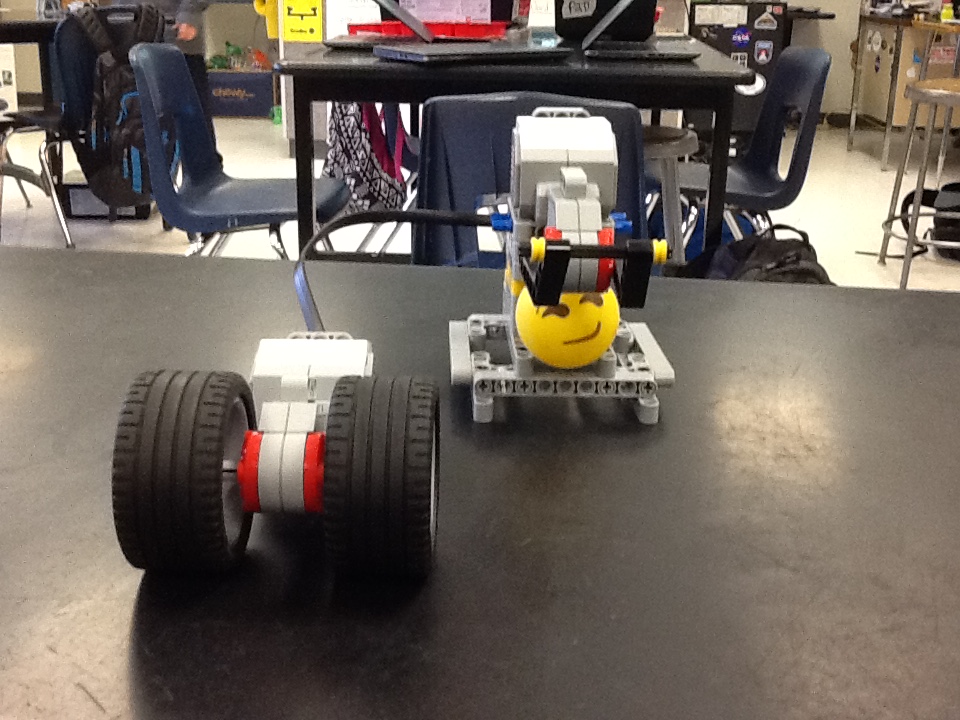
This is a post I wrote about a Science and Engineering challenge we did in class: 
Here is an example of one of the golfing machines with the ping pong ball we used. We used the tires to turn the first motor. By turning the first motor, electricity was generated and sent to the second motor to make it hit the ball.


--------------------------------------------------

Academic Reflection Form for Portfolio Work

1. What standards did this example demonstrate or why was it assigned? 
Middle School Engineering, Technology and Applications of Science standards:
MS-ETS1-1. Define the criteria and constraints of a design problem with sufficient precision to ensure a successful solution, taking into account relevant scientific principles and potential impacts on people and the natural environment that may limit possible solutions.

MS-ETS1-2. Evaluate competing design solutions using a systematic process to determine how well they meet the criteria and constraints of the problem.

Middle School Physical Science Motion and Stability: Forces and Interactions -
MS-PS2-5. Conduct an investigation and evaluate the experimental design to provide evidence that fields exist between objects exerting forces on each other even though the objects are not in contact.

2. I chose this assignment for my portfolio because it shows what I learned about how magnets are used to generate electricity and it shows how my team successfully completed the design challenge.

3. By completing this assignment I learned that magnets moving through copper wiring generate electricity. Faraday's Law led to the development of the electric motor and of generators. I also learned how to build a golfing machine and how to build a structure to hold the machine up. I made the golfing machine hit a ping pong ball and hit a target across the table.

4. In the future, this knowledge will help me because I will understand how motors and generators work and I know that I can build things to solve problems. Engineering is fun!


--------------------------------------------------


For the Faraday Golfing Machine challenge I am mostly a Practitioner! I was able to figure out and explain how Faraday's Law applied to our golfing machine and how Faraday's Law made it so that my mechanical energy used to turn the first motor generated electricity that flowed to the second motor and made it run. Making the second motor run allowed our golfing machine to hit the ping pong ball. We got full points on the challenge.

Sunday, May 14, 2017

Water Quality Data

Chimacum Creek Water Quality Data


The above graph shows the dissolved oxygen or D.O. data we collected this year.

The above graph shows the amounts of dissolved oxygen in Chimacum Creek from 2002 to 2017!


The above graph shows Chimacum Creek's pH for this year.


The above graph shows the pH of Chimacum Creek from 2002 to 2017!